Book a FREE Consultation
Fill in the form and we will be in touch to discuss your needs in more detail, and arrange your consultation with one of our surgeons.

Fill in the form and we will be in touch to discuss your needs in more detail, and arrange your consultation with one of our surgeons.


This initial appointment is crucial. It determines whether you’re a good candidate and helps you understand the process, risks, and results you can realistically expect.
Here’s everything you need to know to prepare for your laser eye surgery consultation, including what to bring, what to expect, key questions to ask, and what makes someone a good candidate.
What to Bring to Your Consultation
To make the most of your appointment, come prepared with the following:
Your prescription helps the surgeon understand your current vision status.
Some conditions and medications can affect healing or increase the risk of complications. Be honest about your health history.
Write down any concerns ahead of time so you don’t forget to ask. (More on key questions below.)
They can help you remember information and provide support.
What to Expect During the Consultation
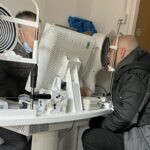
The consultation is a thorough assessment of your eye health, vision stability, and overall suitability for surgery. Expect the following steps:
This includes checking your:
Depending on your exam, the surgeon will explain if you’re a candidate for:
📝 3. Explanation of Risks and Benefits
You’ll receive a realistic overview of potential side effects (like halos, glare, or dry eyes), success rates, and the recovery timeline.
Key Questions to Ask Your Surgeon
Coming prepared with thoughtful questions helps ensure you’re making an informed decision. Consider asking:
Not everyone is suitable for LASIK, but other options may be available.
This helps set appropriate expectations, especially if your prescription is high or if you have astigmatism.
All surgeries carry risks—understanding them helps you weigh the pros and cons.
Experience matters. Choose a surgeon who has successfully treated patients with similar eye profiles.
Ask about downtime, follow-up appointments, and when you can return to work, drive, or exercise.
Some people may need a second treatment—make sure you understand your options if your vision changes over time.
What Makes a Good Candidate for Laser Eye Surgery?
Laser eye surgery can be life-changing—but it’s not for everyone. Here are the general criteria surgeons look for:
Your vision should be stable for at least 12 months.
No active infections, untreated dry eye syndrome, or eye diseases like keratoconus or glaucoma.
A thick, healthy cornea is needed for reshaping during LASIK. If your cornea is too thin, Trans PRK or other options may be recommended.
Most surgeons prefer to wait until your vision and eye development have stabilized.
Certain autoimmune conditions or uncontrolled diabetes may disqualify you.
Final Tips Before Your Appointment
In Summary
Your laser eye surgery consultation is more than just a check-up—it’s your chance to explore whether vision correction is right for you. By coming prepared, asking the right questions, and understanding what makes a good candidate, you’ll be well on your way to making an informed, confident decision.
Thinking about laser vision correction?
Book a consultation today and take the first step toward clearer, glasses-free vision.