Book a FREE Consultation
Fill in the form and we will be in touch to discuss your needs in more detail, and arrange your consultation with one of our surgeons.

Fill in the form and we will be in touch to discuss your needs in more detail, and arrange your consultation with one of our surgeons.

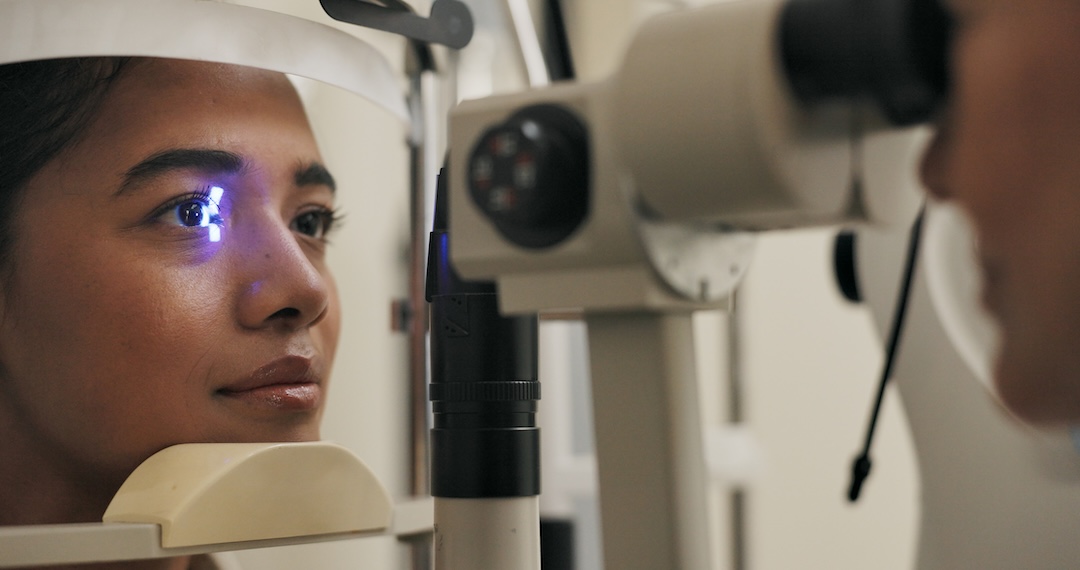
Whether you’re seeking freedom from glasses and contact lenses or looking for a long-term solution to age-related vision changes, selecting the right clinic is one of the most important factors in achieving a successful outcome.
With many providers offering vision correction procedures, it can be difficult to know what truly separates an excellent clinic from the rest. Here are the key factors to consider when making your choice.
The experience and qualifications of your surgeon should be at the top of your checklist. Refractive surgery is highly specialised, and outcomes can vary depending on the expertise of the surgical team.
Look for clinics where surgeons:
Don’t hesitate to ask how many procedures your surgeon has performed and what technologies they use to deliver accurate and predictable results.
A reputable clinic will never recommend surgery without first carrying out a thorough diagnostic assessment.
Your consultation should include:
A comprehensive evaluation helps determine whether you are a suitable candidate and identifies the procedure most likely to deliver the best results.
Modern technology plays a crucial role in the safety and precision of refractive procedures.
When researching clinics, consider whether they invest in:
Clinics that continually update their technology often provide greater treatment accuracy and enhanced patient outcomes.
Every patient’s eyes are unique. A clinic that offers only one type of procedure may not always provide the most suitable recommendation.
The best clinics typically offer a range of vision correction options, including:
A wider range of treatments allows surgeons to recommend the solution that best matches your individual needs rather than fitting you into a single procedure.
Patient experiences can provide valuable insight into the quality of care you can expect.
Look for:
While no medical procedure can guarantee identical results for every patient, positive feedback from previous patients can help build confidence in your choice.
Excellent vision correction clinics focus on the entire patient journey, not just the surgery itself.
During your consultation, consider:
You should feel informed, supported, and comfortable throughout the process.
Successful outcomes depend not only on the procedure itself but also on appropriate follow-up care.
Ask about:
A comprehensive aftercare programme demonstrates a clinic’s commitment to patient safety and long-term results.
While cost is understandably an important consideration, choosing a clinic based solely on the lowest price can be risky.
Instead, evaluate the overall value offered, including:
Vision correction surgery is an investment in your long-term quality of life, and selecting an experienced provider often delivers greater peace of mind.
Before committing to treatment, consider asking:
A trustworthy clinic will welcome your questions and provide transparent, detailed answers.
Choosing the right clinic for laser eye surgery or refractive lens exchange involves much more than comparing prices. By focusing on surgeon expertise, advanced technology, comprehensive assessments, personalised care, and strong aftercare support, you can make a confident and informed decision.
The right clinic will take the time to understand your vision needs, explain your options clearly, and guide you through every stage of your treatment journey—helping you achieve the best possible visual outcome and greater freedom from glasses or contact lenses.